My first computer was a clunky desktop my dad built from parts in the 1990s, and I spent hours tinkering with it—figuring out how to make it run faster, how to cram more games onto a floppy disk. That machine taught me that technology isn’t just about hardware; it’s about the stories behind it, the little hacks that make life easier, and the way a well-written guide can turn frustration into ‘Ah, that makes sense!’ Here at Chart and Table, I aim to cut through the noise and share the kind of tech advice I wish I’d had back then—clear, practical, and free of jargon. Whether it’s troubleshooting a stubborn PC, mastering a new software tool, or just figuring out why your Wi-Fi keeps cutting out, I’m here to help make tech feel less like a mystery and more like a tool you can actually use.
💥 Quick Answer Microsoft Store apps are installed by default in the Program Files\WindowsApps folder on Windows 10 and 11, a hidden system directory requiring admin access to view or modify. Some apps may also create…
💥 Quick Answer To download Microsoft Word, visit the official Microsoft 365 website for licensed versions or use free alternatives like Google Docs, LibreOffice, or Apache OpenOffice for basic word processing needs…
💥 Quick Answer To find accessibility on a Vizio TV, press the Home button on your remote, then select Settings > Accessibility from the main menu. Here, you can adjust features like closed captions, audio descriptions…
💥 Quick Answer Microsoft Office in Windows 10 is installed by default in the Program Files folder at C:\Program Files\Microsoft Office\Office1x , where the 'x' represents the version number (e.g., 16 for Office 2016 or…
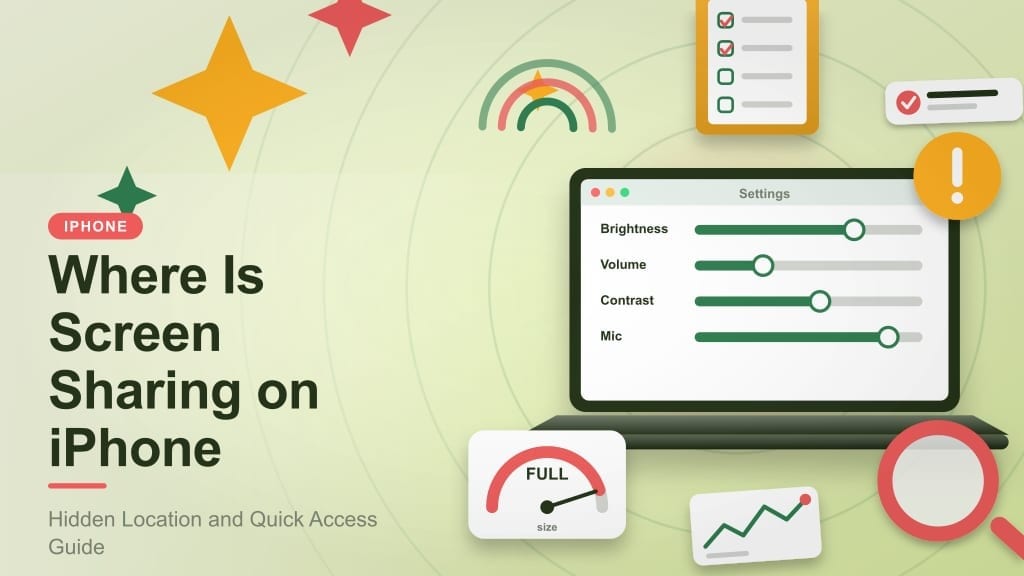
💥 Quick Answer Screen sharing on iPhone is hidden in the Control Center—swipe down from the top-right corner (iPhone X or later) or swipe up from the bottom (older models), then tap the Screen Recording icon. To enable…
💥 Quick Answer To find the Slide Master in PowerPoint, go to the 'View' tab and click 'Slide Master'—this lets you modify the underlying template that governs every slide's fonts, layouts, and background elements across…
💥 Quick Answer To find the eyedropper in PowerPoint, look for the 'Eye Dropper' tool in the Format tab under Shape Styles or Font . For slides, select an object, click the Format Shape tab, then locate it in Shape Fill…
💥 Quick Answer To find the page setup dialog box in Outlook, open a new email and navigate to File > Options > Mail , then select Stationery and Fonts under the Compose messages section. For print-specific settings, use…
💥 Quick Answer The PowerPoint ribbon is located at the top of the screen in the default view, displaying tabs like Home, Insert, Design, and View. If missing, press Ctrl+F1 to toggle it or check the View tab for the…
💥 Quick Answer Finding drafts on LinkedIn mobile requires tapping the profile icon in the top-right corner, selecting 'My Items,' then choosing 'Drafts' from the menu. Saved posts remain accessible until published or…