
Troubleshooting
One careless social media post can expose your personal life to hackers, employers, or scammers. These ten dangers of oversharing reveal how a single moment of digital indiscretion can have lasting consequences—from identity theft to professional ruin.
Identity Theft Through Location Sharing
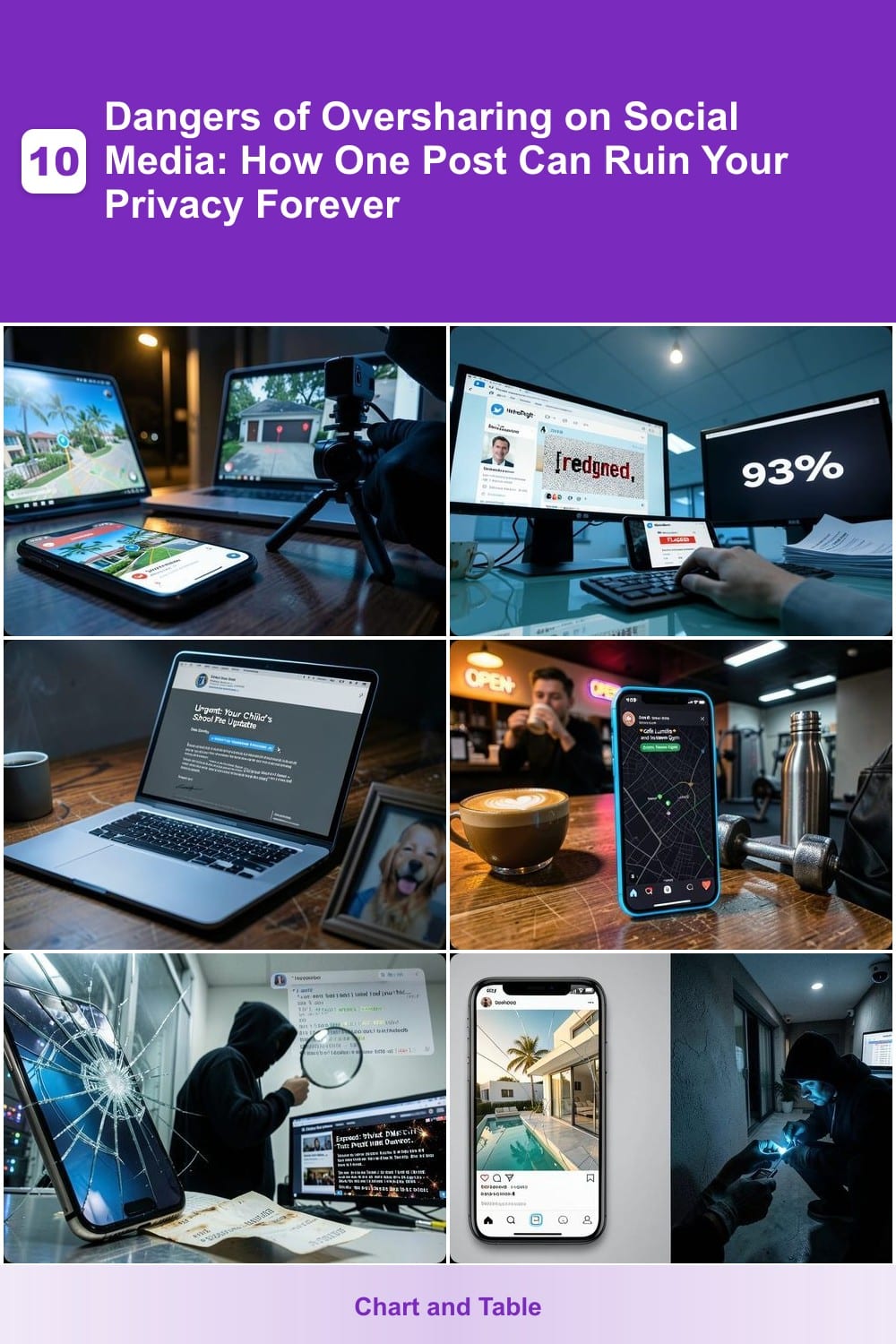
Your smartphone’s real-time location tags aren’t just convenient—they’re a thief’s treasure map. Criminals exploit geotagged posts to pinpoint your home address, daily routines, and even when you’re away on vacation, turning your social media into a targeting tool for burglars and stalkers.
Platforms like Instagram and Facebook default to sharing exact GPS coordinates in photos and check-ins, while fitness trackers and smart home devices broadcast your movements 24/7. Thieves use this data to predict when your house will be empty, or even track your movements in real time. One careless post could make you an easy target for home invasions or identity fraud—especially if you’ve ever tagged your exact street address or posted about travel plans.
This risk isn’t just for celebrities—anyone with a public or semi-public profile is vulnerable. Parents sharing school drop-off routes or remote workers broadcasting their offices are prime targets. The fix? Disable geotagging in app settings, avoid posting live locations, and use privacy-focused tools like Signal for secure messaging. 💡
Job Loss From Controversial Opinions
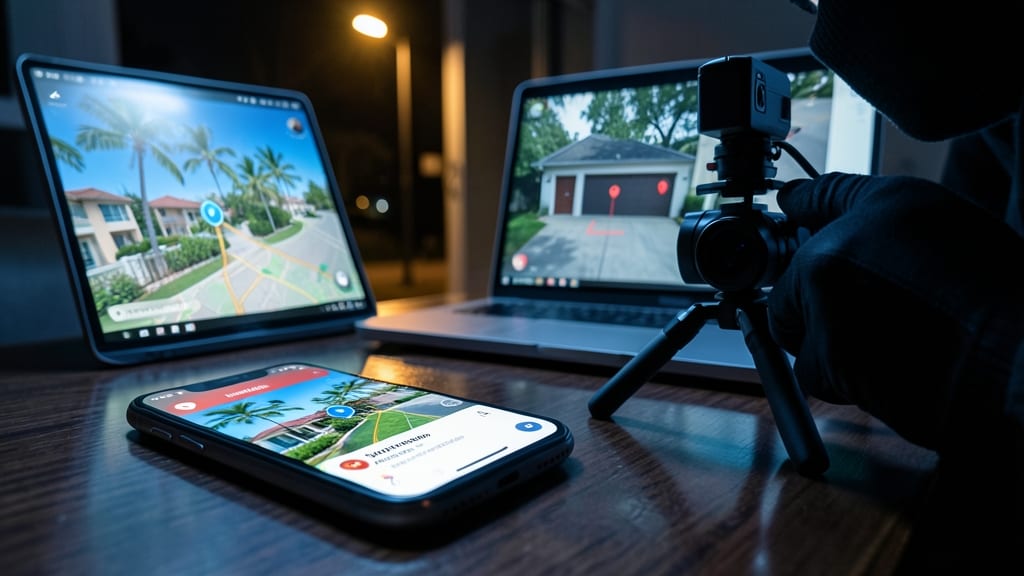
Your next career opportunity could hinge on a single tweet from five years ago. 93% of recruiters now check candidates’ social media, and one inflammatory post—even on a private account—can derail promotions, raises, or job offers entirely.
HR teams use tools like Social Intelligence and HireRight to scrape profiles for red flags, including political rants, workplace complaints, or even seemingly harmless memes. A 2023 CareerBuilder survey found 70% of employers have rejected candidates over social media content. Even "deleted" posts linger in caches, and LinkedIn’s algorithm prioritizes engagement—meaning your "private" network isn’t as hidden as you think.
Freelancers, remote workers, and job seekers in competitive fields (tech, finance, healthcare) face the highest risk. Before posting, ask: Would this look professional to a hiring manager? When in doubt, adjust privacy settings or use a separate account for personal content. 💻
Phishing Scams Using Personal Details
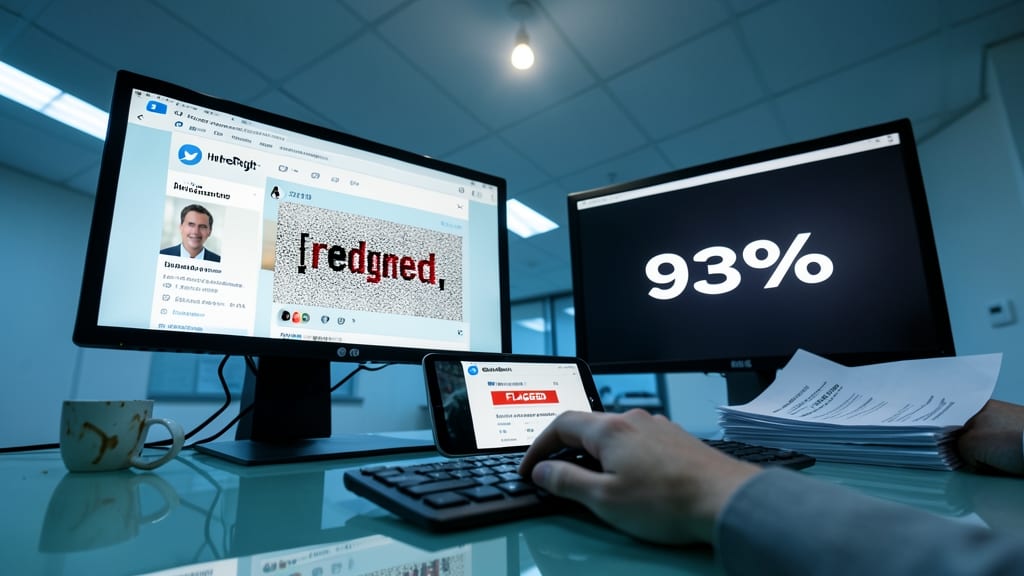
Ever received an email that felt too personal—like someone knew your pet’s name or your child’s school? That’s not a coincidence. Hackers use publicly shared details to craft hyper-targeted phishing scams that bypass basic security checks, tricking even cautious users into revealing passwords or financial info.
These attacks go beyond generic "Your account is locked" emails. Scammers reference your vacation photos ("We saw you at the beach!") or family details ("Your son’s soccer game is this weekend—verify your account to avoid missing it!"). Tools like email spoofing and OSINT (Open-Source Intelligence) harvest data from social media, making these scams nearly impossible to detect without multi-factor authentication (MFA) or security key backups.
Parents, professionals, and frequent travelers are prime targets—anyone who’s shared personal milestones online. Always verify unexpected requests via a separate, trusted channel, like a phone call. 🔧
Stalking and Harassment Risks
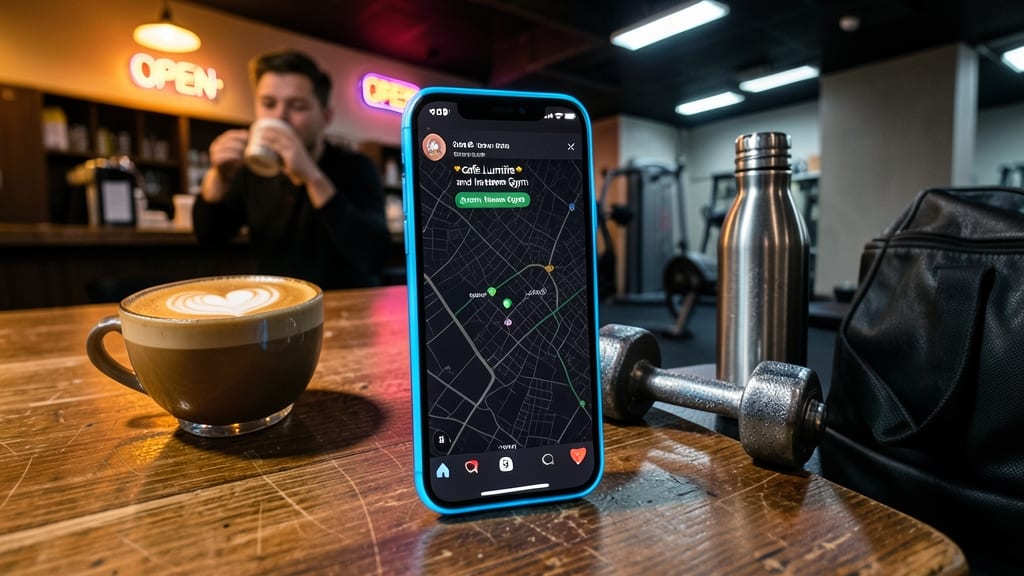
Your seemingly harmless check-in at a café or gym post might be a treasure map for someone with the wrong intentions. Geotagged photos and public location updates don’t just share your whereabouts—they reveal patterns, routines, and even the faces of your friends, creating a digital footprint that predators can exploit to stalk or harass you.
Apps like Instagram and Facebook default to geotagging unless manually disabled, leaving you vulnerable. A single post can expose your daily routes, favorite hangouts, and even the names of people you associate with—information that obsessive followers or ex-partners can use to stalk, intimidate, or manipulate. Tools like stalkerware or simple social media scraping can compile this data into a disturbing profile of your life.
If you’re a public figure, activist, or simply someone who values privacy, disable geotags entirely and review your privacy settings regularly. For added security, consider using burner accounts for public interactions or apps like Signal for private messaging that leaves no digital trail. 💻
Blackmail Material From Private Moments
That "private" DM or group chat message might not stay private forever. Even if you delete it, screenshots, third-party archives, or data breaches can resurface your most vulnerable moments years later—turning them into blackmail material or public humiliation fodder.
Platforms like Snapchat claim content disappears forever, but screenshots bypass that feature entirely. Meanwhile, Facebook’s "Message Requests" archive stores deleted conversations indefinitely, and third-party apps (like social media scrapers) hoard private data for resale. Even encrypted platforms like Signal aren’t immune—metadata leaks or accidental forwards can expose your secrets.
This risk isn’t just for celebrities: ex-partners, hackers, or even disgruntled contacts can weaponize overshared content. Always assume "private" is a myth—think twice before hitting send. ✨
Insurance Fraud Using Vacation Posts
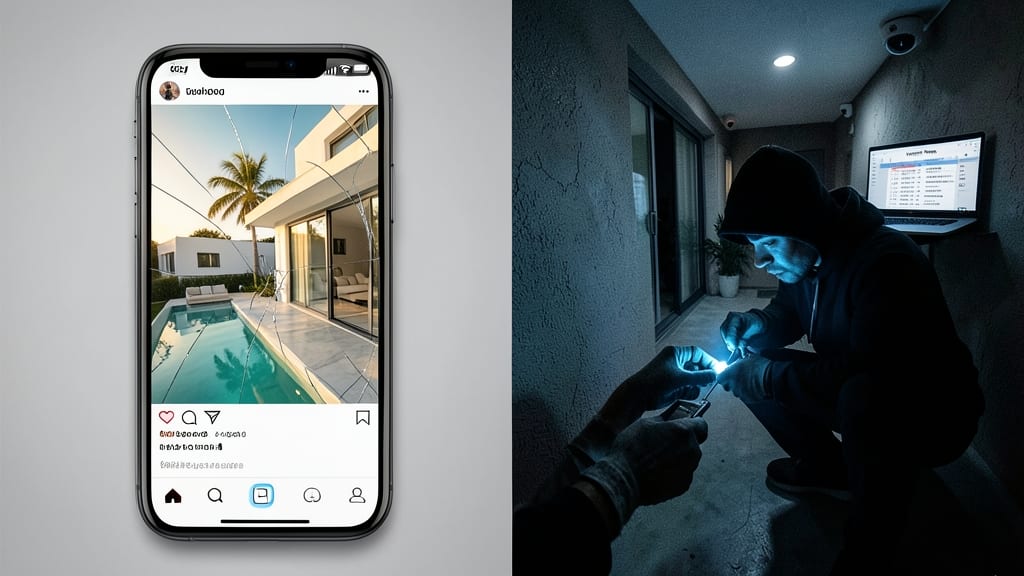
Your dream vacation might seem harmless, but a single post about your empty home or luxury trip could turn into a goldmine for burglars—and even your insurer. Criminals monitor social media to spot when homes are vacant, while insurers now cross-reference claims with your digital footprint to detect negligence.
Studies show that 30% of home burglaries happen during vacations, with thieves using public posts to time their break-ins. Worse, some insurers deny claims if they find evidence of negligence—like posting about a smart home left unmonitored—in your social media history. Even seemingly innocent updates can create legal loopholes.
Homeowners and frequent travelers should delay posting until returning or use private accounts with restricted visibility. A quick privacy audit of your social media can prevent a costly mistake. 💻
Credit Card Fraud From Purchase Tags
That new iPhone 15 Pro you just tagged in your post? Criminals see it as an open invitation. Fraudsters scour social media for luxury purchases—like high-end gadgets, designer bags, or even vacation bookings—to identify high-value targets. By the time your package arrives, they may have already drained your accounts.
This isn’t just theory: 43% of identity theft cases start with oversharing financial details online, per a 2023 Javelin Strategy report. A simple tag like "Just upgraded my credit limit!" or "Waiting for my new watch to arrive" gives hackers enough intel to craft hyper-targeted phishing attacks or apply for new cards in your name. Even "private" posts can leak through screenshots or data breaches.
If you love flaunting your purchases, at least wait 24 hours before posting—long enough for fraud alerts to trigger. For extra security, enable transaction notifications on your bank app and freeze your credit if you’re a frequent social shopper. 💻
Family Safety Threats From School Posts
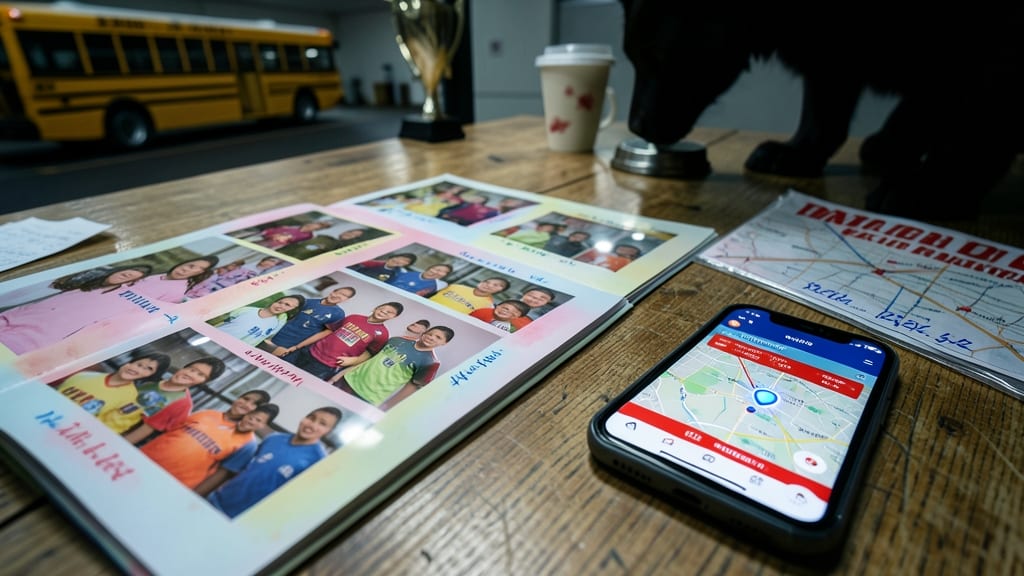
Your child’s school photo album might look innocent, but posting their school name, bus stop location, or soccer team schedule creates a digital map for predators. Criminals use this info to stalk, harass, or even plan physical confrontations—turning public posts into real-world threats.
Even "harmless" updates like geotagged school photos or mentions of after-school activities reveal routines predators exploit. The National Center for Missing & Exploited Children (NCMEC) warns that 90% of child predators use social media to identify targets—often starting with seemingly safe details.
Parents of kids in private schools, sports teams, or homeschool groups should treat school-related posts like financial data: share only with verified networks. A simple privacy audit can block strangers from seeing these details. 💻
Legal Trouble From Admitted Crimes
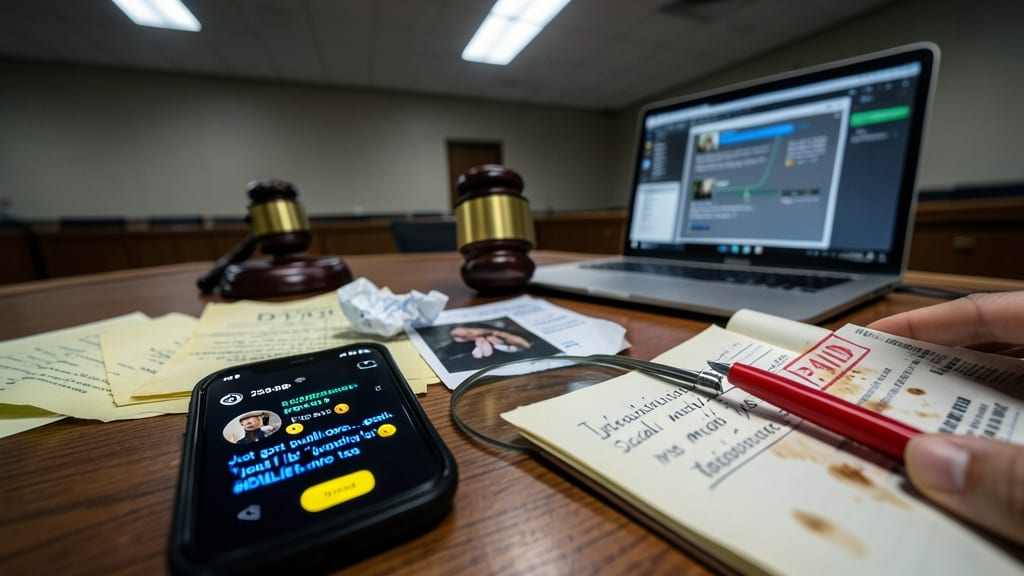
That offhand joke about your DUI from 2018 or that one-time speeding ticket you "jokingly" posted might seem harmless—but prosecutors and insurance companies archive everything. A single inconsistency in your social media history can be used to discredit your testimony or even trigger a criminal investigation years later.
Courts have admitted social media evidence in cases where defendants made light of past crimes, creating legal loopholes for opposing attorneys. Insurance adjusters now scrape public profiles to spot discrepancies in claims—like posting about a "minor fender bender" while your policy states you were "not at fault." Even private messages can be subpoenaed if shared with third parties. The digital trail never truly disappears.
This risk isn’t just for defendants—job applicants, witnesses, or even landlords face scrutiny. If your past comes back to haunt you, a digital cleanup service (like JustDeleteMe or ReputationDefender) can help scrub old posts—but prevention is always better. 💻
Algorithm Manipulation By Advertisers
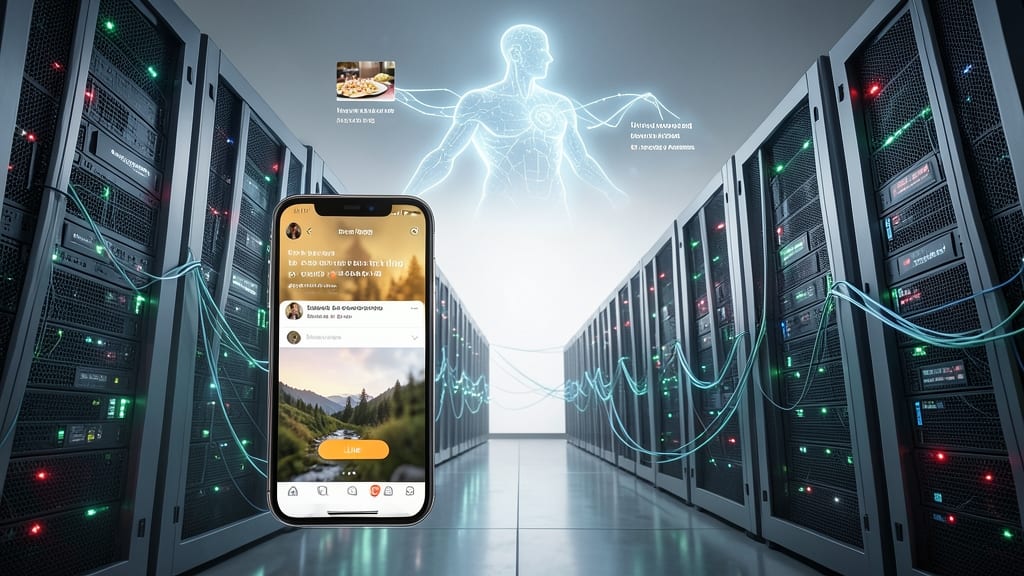
Every "liked" post, tagged photo, or casual status update feeds a machine-learning beast—advertisers’ AI systems that predict your next purchase, relationship status, or even political leanings. What starts as harmless sharing becomes a goldmine for data brokers, who resell your digital footprint to the highest bidder, from retailers to political campaigns.
Platforms like Facebook and Instagram use real-time behavioral tracking to refine ads, but the creepiest part? These algorithms don’t just reflect your past—they predict your future. A 2023 study found that oversharing habits (e.g., pregnancy announcements, job changes) could be reverse-engineered to guess personal milestones with 87% accuracy. Worse, third-party apps often scrape this data without your consent, selling it to entities like Cambridge Analytica’s successors, who weaponize it for micro-targeted persuasion.
This isn’t just about annoying ads—it’s about losing control of your digital identity. Parents, job seekers, and activists are especially vulnerable, as their data fuels everything from political ad campaigns to discriminatory lending algorithms. 💡