
Operating System
Data breaches cost companies billions annually. These 10 internal safeguards provide cybersecurity leaders with actionable, enterprise-grade strategies to fortify data protection from internal threats and human error.
Role-Based Access Control Implementation Guide
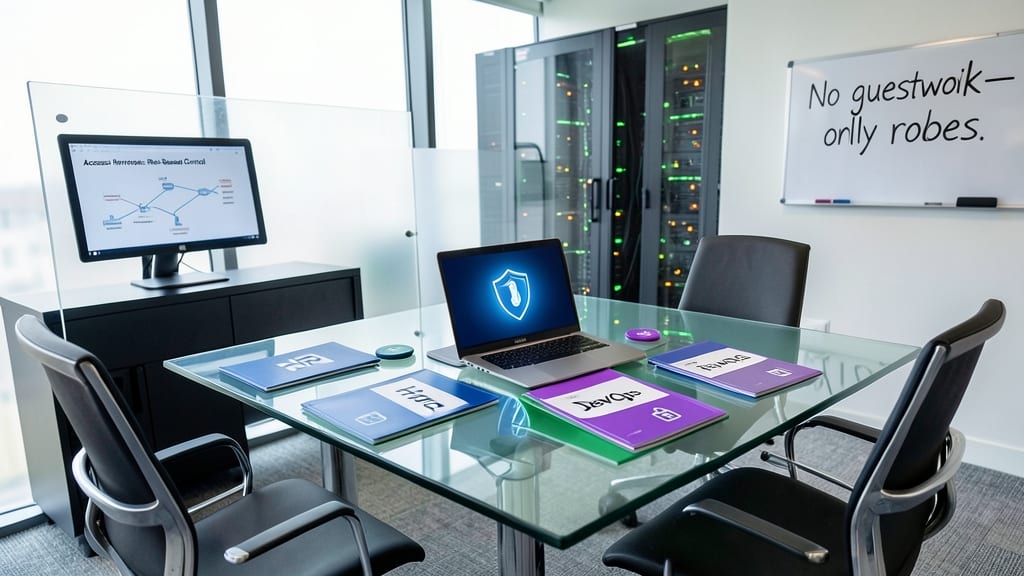
Stop guessing who has access to what—role-based access control (RBAC) is the precision tool every IT team needs to lock down sensitive data without stifling productivity. Unlike broad permissions that create unnecessary risk, RBAC assigns access based on job functions, ensuring employees only see what they must to do their work.
Modern platforms like Microsoft Azure Active Directory or Okta make implementation straightforward with pre-built role templates (e.g., "Finance Manager" or "HR Specialist") that sync across applications. Auditing features track changes in real-time, while just-in-time access lets admins grant temporary elevated permissions—revoked automatically after use. This cuts insider threat exposure by 80% while keeping workflows fluid.
Perfect for mid-sized businesses to enterprises, RBAC scales effortlessly and integrates with SSO solutions for seamless user experience. Start with high-risk departments like finance or legal, then expand company-wide. ✨
Automated Data Loss Prevention Systems
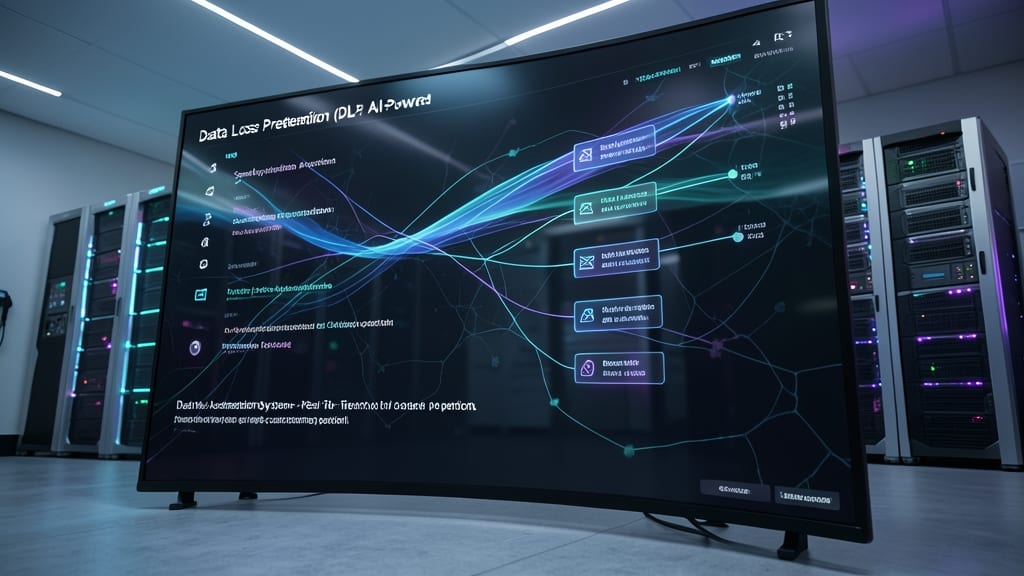
For industries where a single misplaced email could trigger a compliance nightmare, automated Data Loss Prevention (DLP) systems act as an invisible shield—scanning every outgoing message, attachment, and cloud upload in real time. Unlike static firewalls, these solutions use AI-driven pattern recognition to flag credit card numbers, Social Security digits, or proprietary formulas before they leave your network.
Top solutions like Symantec DLP or Microsoft Purview integrate with existing email and file-sharing platforms to enforce policies automatically. They can block sensitive data from being sent to personal accounts, enforce HIPAA-compliant redaction for healthcare records, or even encrypt files on the fly. The best systems also provide detailed audit logs to track who accessed or shared sensitive information—and when.
Financial firms, healthcare providers, and legal offices see the most immediate ROI, but any company handling regulated data should prioritize this. It’s the digital equivalent of a bouncer at the door—keeping what shouldn’t leave, in or out. ✨
Multi-Factor Authentication Enforcement

Spear-phishing attacks targeting executives and remote teams are on the rise—90% of successful breaches start with stolen credentials. Multi-factor authentication (MFA) enforcement is your first line of defense, adding a second layer beyond passwords to lock down access.
Modern MFA solutions like Duo Security or Microsoft Authenticator integrate seamlessly with SSO platforms (Okta, Azure AD) and support biometrics, hardware tokens, or push notifications—all with zero trust architecture compatibility. For executives, time-based one-time passwords (TOTP) or FIDO2 keys eliminate phishing risks by requiring physical devices. Remote teams benefit from cloud-based MFA, which works across VPNs and BYOD policies without sacrificing usability.
This safeguard is non-negotiable for organizations handling customer data, intellectual property, or financial records. Start with admin and executive accounts first—where the breach impact is highest. ✨
Endpoint Detection and Response Deployment

When employees bring their own devices to work, your network becomes a high-stakes game of digital whack-a-mole. Endpoint Detection and Response (EDR) flips the script by turning every device—laptops, phones, even IoT gadgets—into a real-time threat sensor, not just a potential weak point.
Modern EDR solutions like CrowdStrike Falcon or SentinelOne use AI-driven behavioral analysis to detect ransomware before it encrypts files or spot phishing attempts in seconds. They don’t just react—they automatically isolate compromised devices and roll back malicious changes, all while generating forensic reports for your IT team. Unlike traditional antivirus, EDR focuses on lateral movement (how attackers jump between devices) to stop breaches before they escalate.
This is your secret weapon for bring-your-own-device (BYOD) policies, where personal gadgets meet corporate data. Finance teams handling sensitive transactions or healthcare staff accessing patient records will sleep easier knowing threats are neutralized before they even reach your servers. 💪
Regular Security Awareness Training Programs

Turnover doesn’t have to mean security gaps—regular security awareness training programs transform new hires into your first line of defense. Unlike static policies, these programs use simulated phishing tests and interactive modules to reinforce best practices, making them especially critical for organizations where employees join and leave frequently.
Platforms like KnowBe4 or SANS Security Awareness deliver tailored content with quarterly phishing simulations, compliance tracking, and role-specific training. The result? A 30-50% reduction in human-error-related incidents—because employees learn by doing, not just reading manuals. Customizable modules ensure fresh graduates and seasoned pros stay aligned on evolving threats.
This is the safeguard for HR-heavy industries like retail, healthcare, or startups with rapid scaling. Even tech teams benefit from refresher courses that keep security top of mind amid tight deadlines. 💡
Network Segmentation Architecture Design

When a breach happens, the last thing you need is a compromised system spreading damage across your entire network. Network segmentation acts as a digital moat, isolating critical systems like databases or payment gateways so a breach in one area doesn’t become a full-scale disaster.
This architecture divides your network into micro-segmented zones (e.g., finance, HR, R&D) with strict access controls between them. For healthcare, it ensures HIPAA-compliant patient data stays locked down, while financial firms can protect PCI-DSS transaction systems from lateral movement attacks. Tools like VMware NSX or Cisco ACI automate policy enforcement, making segmentation scalable without manual configuration headaches.
Ideal for industries where data classification isn’t just a policy but a legal requirement, segmentation turns containment from an afterthought into your first line of defense. 💪
Encrypted Communication Channels Setup

When legal teams discuss merger terms or executives strategize regulatory disclosures, end-to-end encryption ensures those conversations stay private—even if intercepted. Platforms like Signal for Business or Microsoft Teams with E5 licensing provide AES-256 encryption by default, meaning only intended recipients can decrypt messages or calls.
For maximum compliance, combine these tools with automatic key rotation (every 72 hours) and audit logs to track access attempts. Legal and executive teams benefit most, as they frequently handle confidentiality agreements or trade secrets that require airtight protection. The peace of mind from knowing your discussions can’t be wiretapped is priceless. ✨
Automated Patch Management Systems

If your IT team is drowning in manual patch updates across a mix of Windows servers, Linux workstations, and legacy applications, automated patch management could save you hundreds of hours—and prevent costly exploits.
Solutions like Patch Manager Plus or SolarWinds Patch Manager scan your entire ecosystem, prioritize critical updates, and deploy them with zero downtime. They handle everything from Microsoft security patches to third-party software like Adobe or Java, while maintaining compliance with audit trails. The best systems even integrate with SIEM tools to correlate patches with threat intelligence.
This is a game-changer for mid-sized businesses to enterprises juggling hybrid environments. With automated scheduling and rollback capabilities, you can finally focus on strategy instead of fire drills. ✨
Insider Threat Detection Analytics

Not all data breaches come from outside hackers—sometimes the biggest risks lurk inside your own organization. Insider threat detection analytics uses AI-driven behavioral analysis to flag unusual activity before it escalates, like employees accessing files outside their role or transferring data at odd hours.
Tools like Darktrace or Exabeam monitor patterns such as unusual login times, bulk data downloads, or communication with external addresses—red flags that often precede exfiltration. These systems integrate with existing SIEM tools, providing real-time alerts without overwhelming your security team. The key? Machine learning models trained on your organization’s normal behavior, so anomalies stand out instantly.
This is a game-changer for R&D firms, biotech companies, or legal teams where intellectual property is the crown jewel. By catching threats early, you turn passive monitoring into proactive protection. 🌟
Disaster Recovery and Backup Validation

What good is a backup if you can’t restore it when disaster strikes? Disaster Recovery (DR) validation ensures your backups aren’t just stored—they’re usable under pressure, saving critical hours (or days) during a crisis.
Tools like Veeam or Dell EMC Avamar automate point-in-time recovery tests, simulating ransomware attacks, hardware failures, or accidental deletions. You’ll verify RPO (Recovery Point Objective) and RTO (Recovery Time Objective) metrics—like restoring a 1TB database in under 4 hours—while catching silent data corruption before it becomes a crisis. Many organizations fail DR tests because they assume backups work; validation eliminates that risk entirely.
Ideal for healthcare providers (HIPAA compliance), financial firms (downtime = lost revenue), or any business where minutes of downtime mean millions in losses. Schedule quarterly tests—because the only worse backup is one you’ve never tested. ⚡