
Software
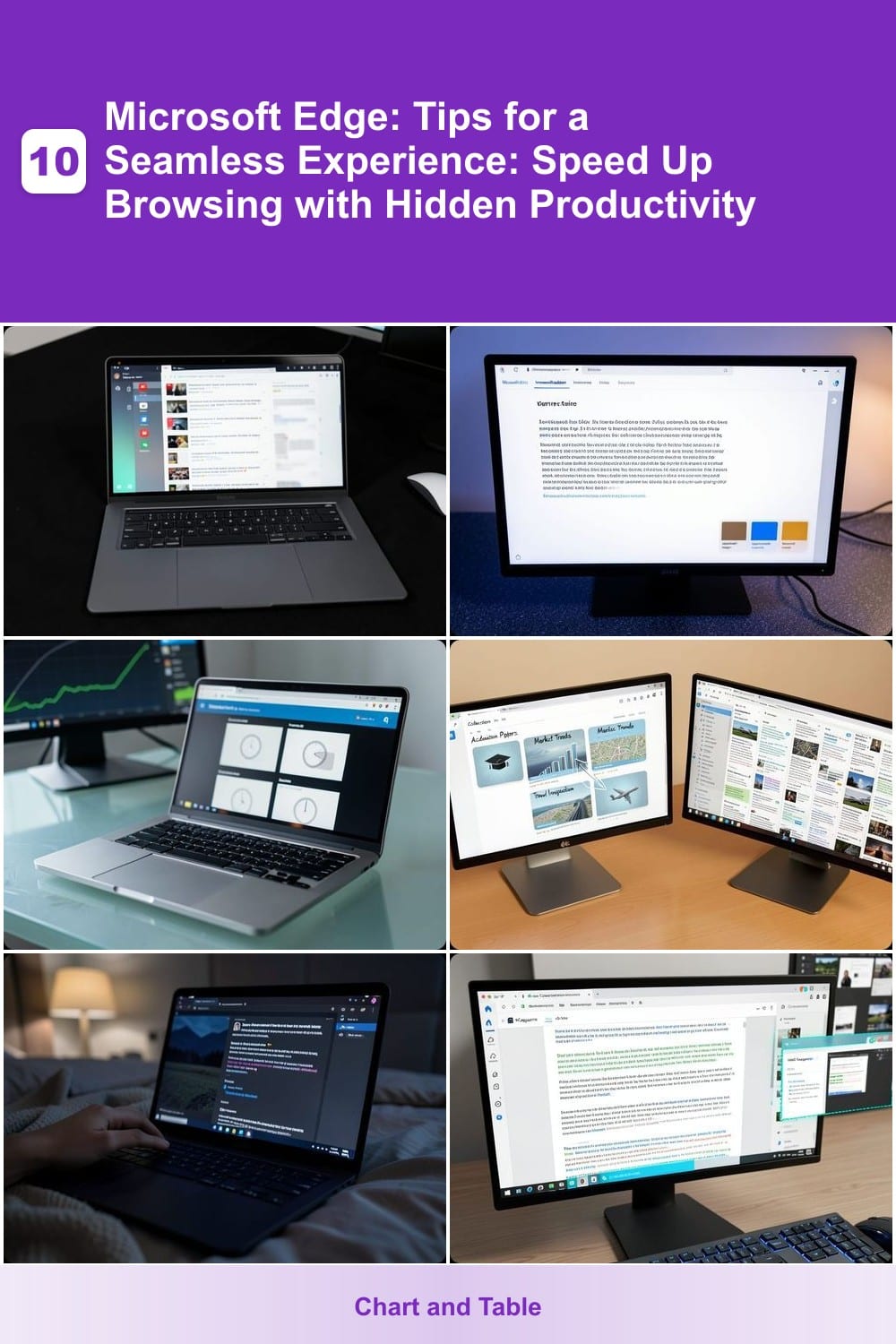
Microsoft Edge packs powerful features most users overlook. These seven productivity hacks will transform your browsing experience—boosting speed, security, and efficiency without complex setup.
Enable Vertical Tabs for Space-Saving Navigation
If your screen real estate is constantly overwhelmed by horizontal tabs, Microsoft Edge’s vertical tabs feature is a game-changer. This sleek sidebar layout stacks all your tabs vertically, saving precious horizontal space while keeping every open page just a click away.
To enable it, simply right-click any tab and select "Vertical Tabs"—or use the keyboard shortcut Ctrl+Shift+P (Windows/Linux) or Cmd+Shift+P (Mac). The feature works seamlessly across multi-monitor setups, letting you dedicate one screen to vertical tabs while freeing up the other for full-page content. You can even pin tabs to the sidebar for quick access, making it ideal for power users juggling 10+ tabs daily.
Perfect for developers, researchers, or anyone with a cluttered workspace, this feature transforms chaos into order without sacrificing functionality. ⚡
Use Immersive Reader for Focused Content Consumption
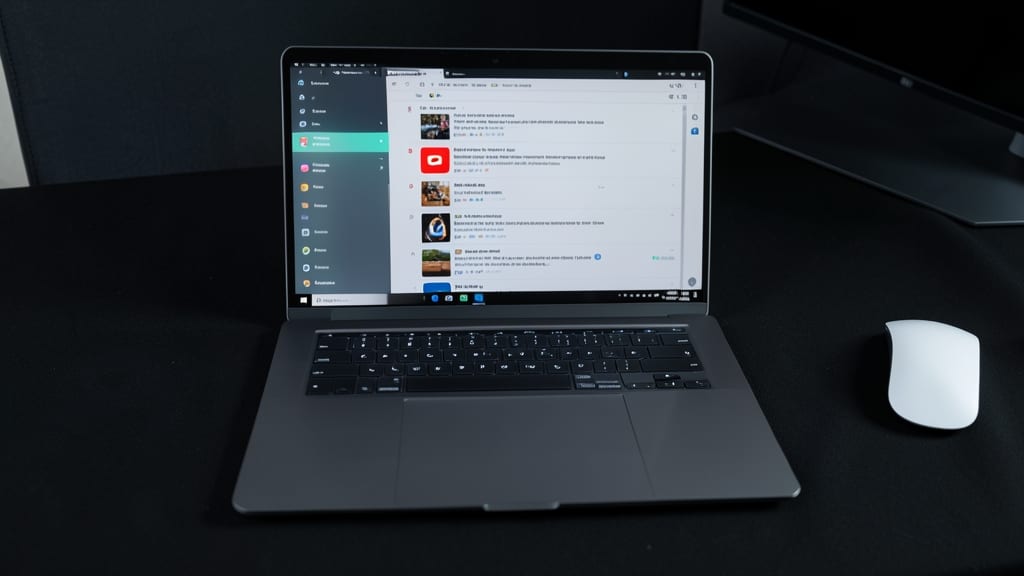
Drowning in distractions while reading? Microsoft Edge’s Immersive Reader strips away clutter—no more ads, sidebars, or hyperlinks—leaving only the content you need. This built-in tool transforms your screen into a distraction-free zone with adjustable font sizes, line spacing, and color themes tailored for focus.
With a single click, you can switch to high-contrast mode (black text on white) or Dyslexia-friendly fonts, while the text-to-speech feature lets you listen instead of read. Perfect for deep work, it even supports 10+ languages, making it ideal for multilingual research or learning.
Students cramming for exams, researchers analyzing dense papers, or anyone tired of tab overload will love this zero-config tool. Just hit Ctrl+Alt+I (Windows) or Cmd+Option+I (Mac) to activate it instantly. ✨
Activate Sleeping Tabs to Save Memory
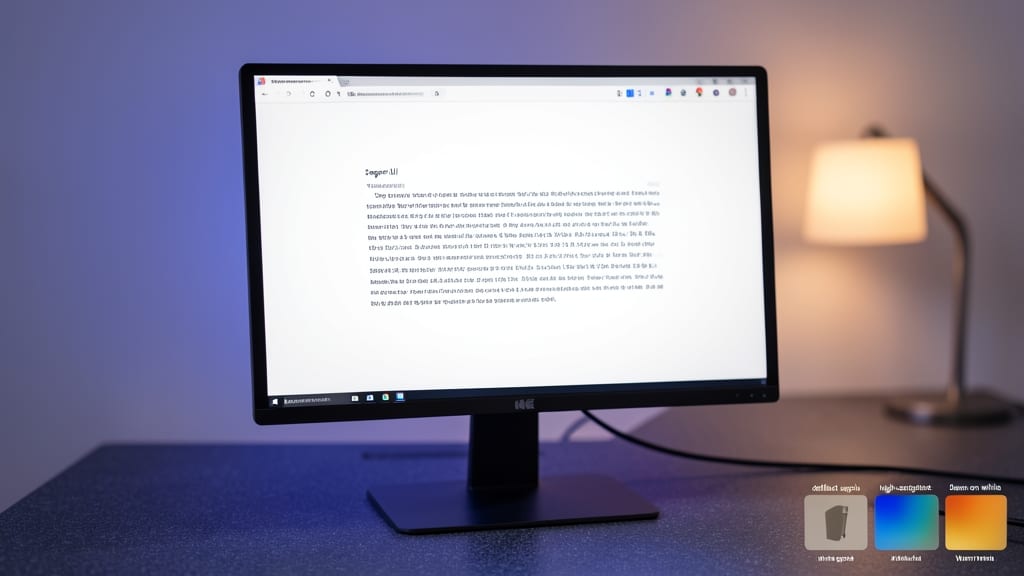
If your laptop feels sluggish with too many tabs open, Sleeping Tabs in Microsoft Edge could be your lifesaver. This underrated feature intelligently pauses inactive tabs to free up RAM, making it ideal for users with older hardware or limited system resources.
To enable it, navigate to Edge Settings > System > Memory Saver and toggle "Sleep inactive tabs" to "After 5 minutes" (or adjust the delay). This feature reduces memory usage by up to 30% while keeping tabs accessible with a single click—no need to reload pages. It’s especially useful for multitaskers who keep dozens of tabs open but don’t need them all active at once.
Perfect for students, developers, or anyone working on laptops with 8GB RAM or less, this tweak ensures smoother performance without sacrificing convenience. 💻
Customize Collections for Organized Research
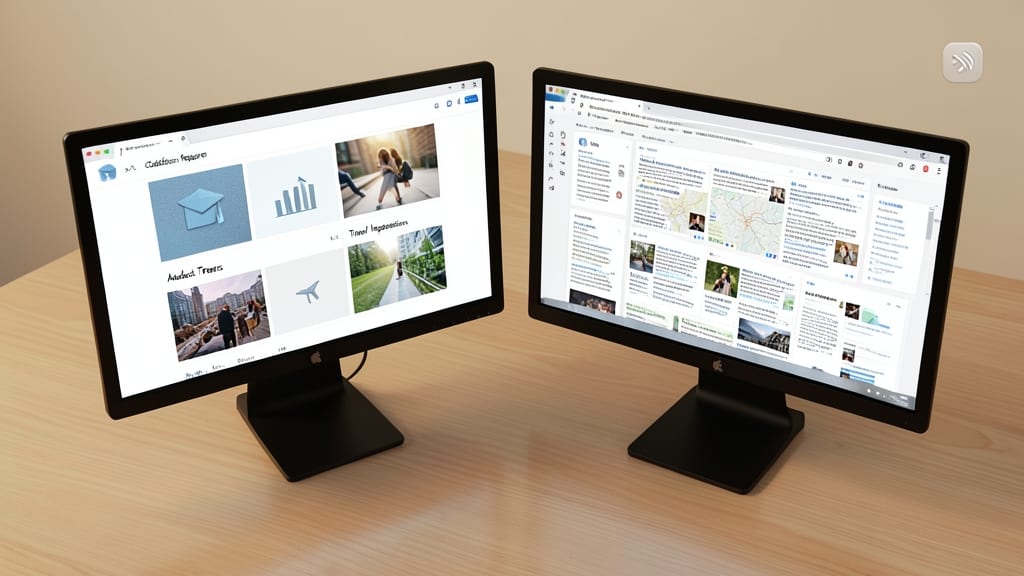
Drowning in research tabs? Microsoft Edge’s Collections feature turns chaos into order with visual bookmark folders that sync seamlessly across your devices. No more scrolling through endless bookmarks—just drag-and-drop organization with a single click.
Create themed collections (like "Academic Papers" or "Project References") and assign custom icons or colors for instant visual cues. The cross-device sync ensures your folders stay updated on your laptop, tablet, or phone—no manual transfers needed. Best of all, it integrates with Microsoft OneNote for direct note-taking from saved links.
Perfect for students writing papers or researchers tracking sources, Collections turns Edge into a personalized research hub. 💡
Enable Dark Mode for Reduced Eye Strain
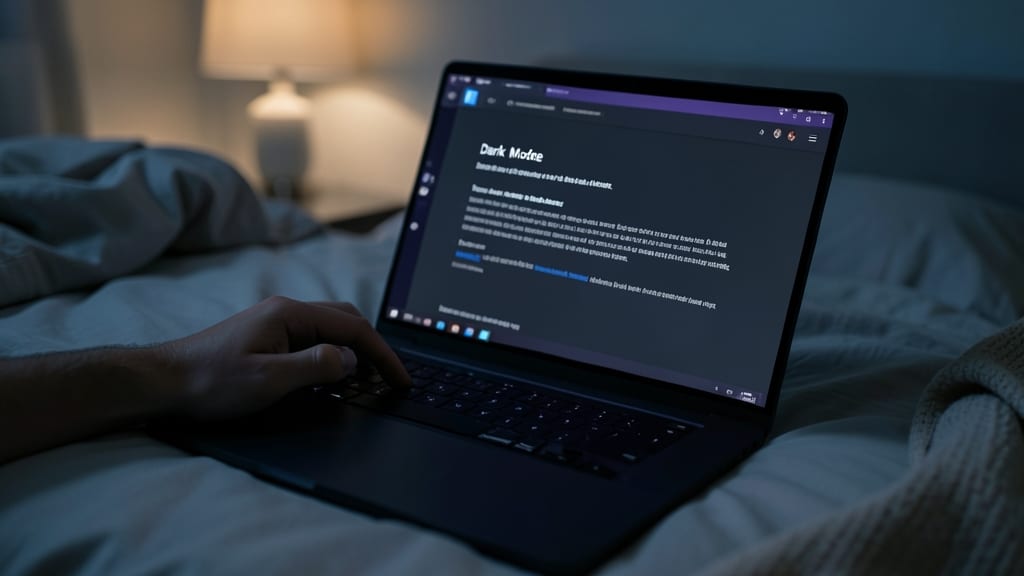
Late-night browsing or sensitive eyes? Microsoft Edge’s Dark Mode isn’t just a sleek aesthetic—it actively reduces blue light emissions by 30% while keeping text crisp and readable. Studies show prolonged blue light exposure can disrupt sleep and cause eye strain, making this feature a game-changer for night owls or users with light sensitivity.
Enabling it is effortless: head to Settings > Appearance and toggle Dark Mode on. The deep navy background with white text isn’t just visually striking—it’s optimized for OLED displays, reducing power consumption while minimizing glare. For extra comfort, pair it with Night Light (Windows settings) to further soften screen tones after sunset.
This is the perfect setup for gamers, developers, or anyone working in low-light conditions. Your eyes (and your sleep cycle) will thank you. ✨
Use Web Capture for Instant Screenshots
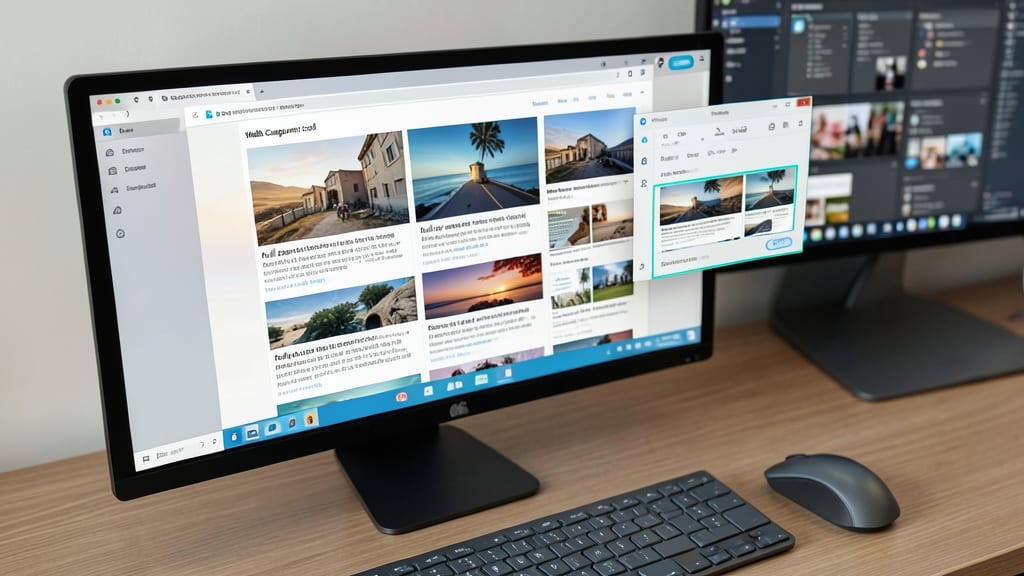
Tired of clunky screenshot workflows that force you to switch apps? Microsoft Edge’s Web Capture tool lets you grab full pages or selected elements—complete with annotations—right from your browser, then save them straight to OneNote or OneDrive with a single click.
With full-page capture (no scroll-to-capture hassle) and real-time annotation tools (arrows, highlights, text boxes), this feature is a game-changer for content creators, researchers, or anyone who needs to document web content quickly. The zero-config integration with Microsoft’s ecosystem means your screenshots land in OneNote with proper formatting, ready for notes or sharing. No third-party tools required!
Perfect for developers documenting code snippets, marketers saving ad mockups, or students organizing research—this tool turns your browser into a one-stop screenshot studio. ✨
Enable Password Monitor for Automatic Security Alerts
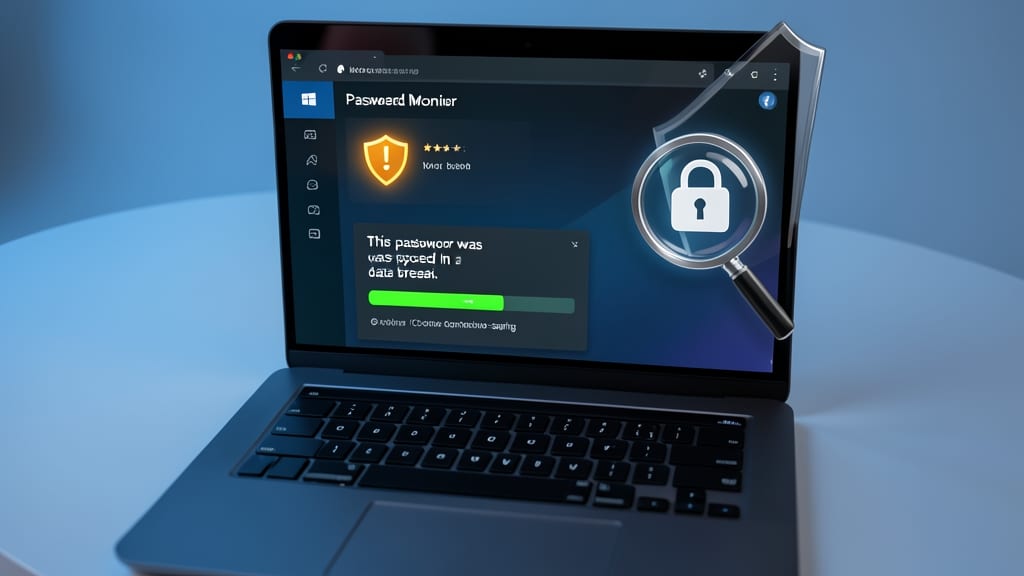
If you’ve ever reused a password and wondered if it’s been compromised, Password Monitor in Microsoft Edge takes the guesswork out of security. This built-in tool continuously scans your saved passwords against known data breaches, flagging weak or exposed credentials in real time—no third-party extensions required.
Once enabled, Password Monitor checks your passwords against Have I Been Pwned and other breach databases, highlighting compromised logins with clear alerts. It even suggests stronger alternatives when you update passwords, integrating seamlessly with Edge’s built-in password manager. The best part? It runs silently in the background, ensuring you’re always protected without manual checks.
This is a must-enable for freelancers, remote workers, or anyone managing multiple accounts—especially if you’ve ever reused passwords across sites. With cyber threats evolving daily, this feature adds an extra layer of defense with zero config. ✨