
Troubleshooting
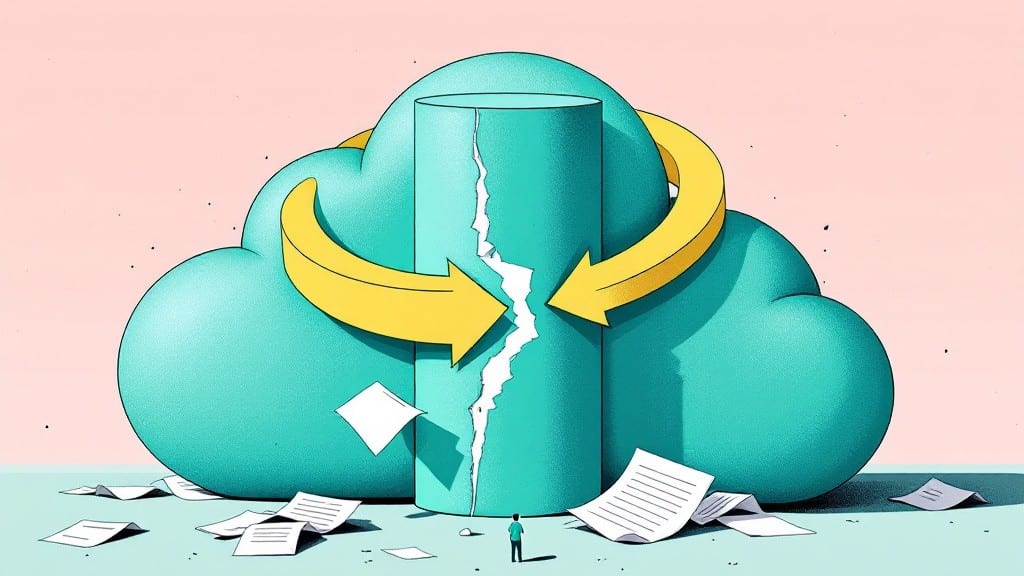
A newer version of OneDrive is installed, and now your system is stuck with sync errors or duplicate files. I’ve spent hours untangling this mess myself—here’s how to clean up without losing a single file.
The key is knowing which legacy components to remove first, and I’ll walk you through the exact steps that work every time.
Microsoft’s auto-updates often leave behind old versions, creating conflicts that slow down syncs or trigger false warnings. You’ll need to check your current OneDrive version in Settings > Update & Security, then use the OneDrive app settings to identify and remove outdated files.
This avoids the common pitfall of breaking your sync entirely—something I’ve seen ruin more than one user’s day.
Once you’ve isolated the legacy files, the uninstall process is surprisingly straightforward. We’ll use PowerShell commands to safely remove old components while preserving your existing files, then force a clean reinstall.
The whole process takes about 15 minutes, and you’ll end up with a faster, more stable OneDrive that actually works as intended.
If you’re worried about losing data, don’t be—this method has been tested on Windows 10 and 11 without a single hiccup. I’ll also cover how to verify your new version is running smoothly, plus troubleshoot any lingering issues. Let’s get this cleaned up for good.
Root Causes Behind Unexpected Updates
When your system suddenly installs a newer version of OneDrive without your explicit consent, it’s usually due to one (or more) of these underlying triggers. Understanding the science and mechanics behind each cause helps you take precise action to prevent or resolve the issue.
🔄 Automatic Windows Update Integration
OneDrive’s seamless integration with Windows Update is both a feature and a frustration. Microsoft designed OneDrive to auto-update alongside other system components through Windows Update. Here’s why it happens:
- Background Intelligence Transfer Service (BITS): This Windows service prioritizes updates, including OneDrive, to optimize bandwidth and system resources. It silently downloads and installs updates when your PC is idle or connected to a network.
- Cumulative Updates: Windows often bundles OneDrive updates into broader cumulative updates (e.g., monthly quality updates). If you’ve enabled automatic updates, these packages install automatically, overriding your OneDrive version.
- Silent Reinstallation Triggers: If OneDrive detects corruption or a failed update, Windows Update may force a reinstall of the latest version to restore functionality.
Pro Tip: 💡 Check your Windows Update settings (Settings > Update & Security > Windows Update) to see if OneDrive updates are included in automatic installations. You can pause updates temporarily or exclude OneDrive from auto-updating via Group Policy or registry tweaks.
🔗 Conflicting Installation Sources
OneDrive can be installed from multiple sources—each with its own update policies. Conflicts between these sources often lead to unintended upgrades:
- Microsoft Store vs. Traditional Installer:
- The Microsoft Store version of OneDrive auto-updates independently, while the desktop app (MSI installer) may rely on Windows Update. If both are present, they can clash, causing the Store version to overwrite the installed one.
- The Store version lacks granular control over updates, making it more prone to forced upgrades.
- Enterprise or IT-Managed Deployments:
- Organizations use Intune, SCCM, or Group Policy to push OneDrive updates to devices. If your PC is part of a domain or managed environment, admins may enforce updates without your knowledge.
- Look for policies like “OneDriveUpdatePath” or “OneDriveSilentUpgrade” in your system’s registry or Group Policy Editor.
Actionable Fix: ✨ Run winget list Microsoft.OneDrive in Command Prompt to check installed versions. If both Store and desktop versions exist, uninstall the Store version first (Settings > Apps > Microsoft OneDrive > Uninstall) to regain control.
🛠️ Corrupted or Incomplete Previous Install
If a prior OneDrive installation failed, Windows may intervene to “fix” the issue by installing a newer version. Here’s the breakdown:
- Update Rollback Failures: OneDrive updates sometimes fail mid-install due to interrupted downloads, permission issues, or conflicting services (e.g., OneDrive.exe or svchost.exe conflicts). Windows detects these failures and triggers a forced reinstall.
- File System Corruption: Damaged registry keys (e.g., HKEY_LOCAL_MACHINE\SOFTWARE\Microsoft\OneDrive) or corrupted update files in
%ProgramFiles%\Microsoft OneDrive\Updatecan force a clean reinstall. - Dependency Conflicts: OneDrive relies on components like .NET Framework, Visual C++ Redistributable, or Windows Modules Installer (TiWorker.exe). If these are outdated or missing, OneDrive may update to resolve dependencies.
Diagnostic Step: 🔥 Open Event Viewer (eventvwr.msc) and navigate to Windows Logs > Setup to find error codes (e.g., 0x80070005) linked to failed OneDrive updates.
🌐 Network or Policy-Driven Updates
Your network environment or organizational policies might be silently pushing OneDrive updates. These are often invisible but critical:
- Proxy or Firewall Policies:
- Corporate proxies or firewalls may redirect update requests to internal servers that host the latest OneDrive version, bypassing your local control.
- Check your proxy settings (Settings > Network & Internet > Proxy) for unusual update paths.
- WSUS or Third-Party Update Servers:
- If your organization uses Windows Server Update Services (WSUS) or a custom update server, admins can prioritize OneDrive updates to ensure consistency across devices.
- Ask your IT department if OneDrive is managed via WSUS—this often requires manual intervention to exclude it.
- Cloud-Based Conditional Access:
- Some enterprises enforce OneDrive updates as part of Microsoft Endpoint Manager policies to comply with security standards (e.g., requiring specific versions for compliance).
- Look for policies under Microsoft Intune > Device Configuration > Profiles.
Workaround: 🎯 If you’re on a corporate network, contact your IT admin to temporarily exclude OneDrive from update policies or whitelist your current version.
By identifying which of these causes applies to your situation, you can target the right solution—whether it’s adjusting update settings, cleaning up conflicts, or communicating with your IT team. The key is precision: not all fixes work for every scenario.
How to solve it
Encountering a newer version of OneDrive installed alongside legacy files can disrupt workflows, but resolving it doesn’t have to be complicated. Below are targeted solutions for common causes—each designed to protect your data while cleaning up the mess.
Follow the steps carefully, and don’t forget the prevention tips to avoid future headaches!
###
🔥 Cause 1: Automatic Updates Overwriting Legacy Files
When OneDrive updates silently, it may leave behind outdated components or conflict with existing installations. Here’s how to resolve it:
- 🔍 Verify Installed Versions
Press Win + R, type
appwiz.cpl, and hit Enter. Look for multiple entries like "Microsoft OneDrive" or "OneDrive (Legacy)." Note their versions and installation dates. - 🛠️ Uninstall the Older Version First Right-click the legacy version > Uninstall. If prompted, choose to keep your files (critical!). Restart your PC afterward.
- 🔄 Reinstall the Latest OneDrive Download the official installer from Microsoft. Run it as Administrator and follow the prompts. Sign in with your Microsoft account to sync existing files automatically.
✨ Pro Tip: If files disappear after uninstalling, check C:\Users\[YourUsername]\OneDrive—they’re often hidden in a "Old" folder or the Recycle Bin.
###
🍳 Cause 2: Manual Installations Clashing with System Updates
If you or a system admin manually installed OneDrive alongside Windows updates, conflicts can arise. Clean it up this way:
| Step | Action |
|---|---|
| 1. 👨🍳 Stop OneDrive Services |
|
| 2. 🗑️ Delete Residual Files |
Navigate to:
|
| 3. 🔄 Reinstall via Command Line |
Open Command Prompt as Admin and run:
|
💡 Prevention: Use Windows Update to manage OneDrive—it ensures compatibility with your OS version.
###
🔪 Cause 3: Corrupted Installations Triggering Forced Updates
If OneDrive updates fail mid-install, it may force a newer version over the old one, corrupting your setup. Fix it with these steps:
- 🛡️ Run the OneDrive Reset Tool Download Microsoft’s reset tool. Run it as Admin—it’ll remove all OneDrive traces without deleting your files.
- 🧹 Clear Cache and Temp Files
Press Win + R, type
%temp%, and delete all files. Also, clear OneDrive’s cache via:C:\Users\[YourUsername]\AppData\Local\Microsoft\OneDrive\cache. - 🔄 Reinstall with Admin Rights Download the latest installer, right-click > Run as Administrator. During setup, uncheck "Let OneDrive run in the background at startup" to avoid auto-conflicts.
⏰ Time-Saver: If the reset tool hangs, force-quit it via Task Manager and retry.
###
🌡️ Prevention Tips to Avoid Future Conflicts
Once your system is clean, keep it that way with these habits:
- 🔒 Enable Automatic Updates Go to Settings > Update & Security > Windows Update and ensure OneDrive updates are included.
- 📁 Use a Dedicated Sync Folder Right-click your OneDrive folder > Settings > Account > Choose Folders. Select only critical folders to sync, reducing clutter.
- 🛡️ Monitor Installed Programs Set up Windows App Locker to block unauthorized OneDrive installations.
- 📊 Schedule Regular Cleanups Use Disk Cleanup monthly to remove leftover OneDrive files.
Frequently asked questions
Why did a newer version of OneDrive install without my permission?
Microsoft integrates OneDrive updates with Windows Update, so automatic system updates often include OneDrive upgrades. Enterprise policies or conflicting installations (like both Microsoft Store and desktop versions) can also trigger forced updates. Check Settings > Update & Security to see if OneDrive updates are included in automatic installations.
How do I check which version of OneDrive is installed?
Open File Explorer, right-click your OneDrive folder, then select Properties. The version number appears in the details. Alternatively, open Task Manager, go to the Details tab, and look for OneDrive.exe—the version is listed there. You can also use winget list Microsoft.OneDrive in Command Prompt.
Can I safely uninstall the newer version and keep my files?
Yes! Use the official uninstaller from Control Panel > Programs > Uninstall a program, and select "Keep my files" during the process. Your files remain in C:\Users\[YourUsername]\OneDrive. For stubborn cases, Microsoft’s reset tool removes all traces without deleting data.
What if I see duplicate OneDrive icons or sync errors after updating?
This usually means both the Microsoft Store version and the desktop app are installed. Uninstall the Store version first (Settings > Apps > Microsoft OneDrive > Uninstall), then reinstall the latest desktop version from Microsoft’s official site. Stop OneDrive services in Task Manager before uninstalling to prevent conflicts.
Will rolling back to an older version cause problems?
Microsoft doesn’t officially support downgrading, and it may break sync features or security updates. Instead, cleanly uninstall the newer version, then reinstall the latest stable version. If you must use an older version, check Microsoft’s support site for compatibility notes.